
Roberto Carlos Free Kick Analysis
The legendary Roberto Carlos free kick against France on June 3, 1997 is renowned for its remarkable curve, speed, and the physics behind it. With a distance of approximately 33–35 meters and a ball speed estimated between 100–137 km/h, the shot is a textbook case of the Magnus effect in action, verified by multiple sources including ESPN, Chalkdust, and Phys.org.
Overview
What we know
- Executed on June 3, 1997 vs France.
- Distance: 33–35 meters (approx. 36 yards).
- Ball speed: 100–137 km/h.
- Physics: Magnus effect & spiral trajectory.
- Verified by 7 sources.
Confirmed vs rumours
- The free kick occurred at 33–35 meters.
- Ball velocity estimates range from 100–137 km/h.
- Magnus effect created the spiral trajectory.
- Listed among top 10 free kicks.
Rumour:
- Some reports suggest a speed exceeding 150 km/h.
- Claims that Carlos routinely replicated this shot in training.
Timeline
- June 3, 1997: Executed free kick vs France (ESPN coverage).
- June 4, 1997: Celebrated by global media (JobsInFootball).
- Sept 2, 2010: Study on spiral trajectory published (Phys.org).
- 2017 onwards: Anniversaries celebrated on social media.
- June 2024: Renewed discussions in sports science (Science.org).
What’s next
- Ongoing debate on maximizing spin and power.
- Planned publishing of updated 3D trajectory models.
- Potential interviews with Roberto Carlos on anniversaries.
- Continued inclusion in “top 10 free kicks” rankings.
- Possible feature in upcoming football documentaries.
Instant Overview – What We Know Now
| Event | Roberto Carlos free kick vs France (Tournoi de France) |
|---|---|
| Date | June 3, 1997 |
| Distance to Goal | 33–35 meters (approx. 36 yards) |
| Ball Speed | Estimated 100–137 km/h (62–85 mph) |
| Run-up Distance | About 20 yards |
| Notable Physics | Magnus effect, spiral trajectory (confirmed by French physicists) |
| Sources Used | 7 verified sources (ESPN, Chalkdust, Phys.org, Science.org, JobsInFootball, YouTube, Instagram) |
Live/Recent Updates
- – Science.org published a new technical analysis confirming the Magnus effect explanation (detailed analysis).
- – Roberto Carlos’s Instagram featured a roberto carlos free kick gif celebrating the anniversary (see official Instagram post).
- – No corrections reported as of this update.
Timeline of Events
- June 3, 1997: Roberto Carlos executes the legendary free kick vs. France (ESPN coverage).
- June 4, 1997: Global media and experts hail the goal as a football masterpiece (JobsInFootball).
- Sept 2, 2010: French physicists publish their study on the shot’s spiral trajectory (Phys.org).
- 2017 onwards: Anniversaries celebrated by fans and Roberto Carlos via social media (Instagram).
- June 2024: Renewed discussions in sports science journals (Science.org).
Confirmed Facts vs. Rumours
- Bekräftat: The free kick occurred at a distance of 33–35 meters, requiring precise lateral spin and power (Chalkdust; Phys.org).
- Bekräftat: Ball velocity estimates range from 100 to 137 km/h, verified via video analysis (JobsInFootball; Science.org).
- Bekräftat: The Magnus effect created the distinctive spiral trajectory (Phys.org).
- Bekräftat: The free kick remains among the roberto carlos free kicks top 10 (ESPN).
- rykte: Some anecdotal reports suggest the free kick exceeded 150 km/h (unverified).
- rykte: Rumours claim Carlos replicated this exact shot routinely in training (unverified).
In-Depth Analysis
The Physics Behind the Free Kick
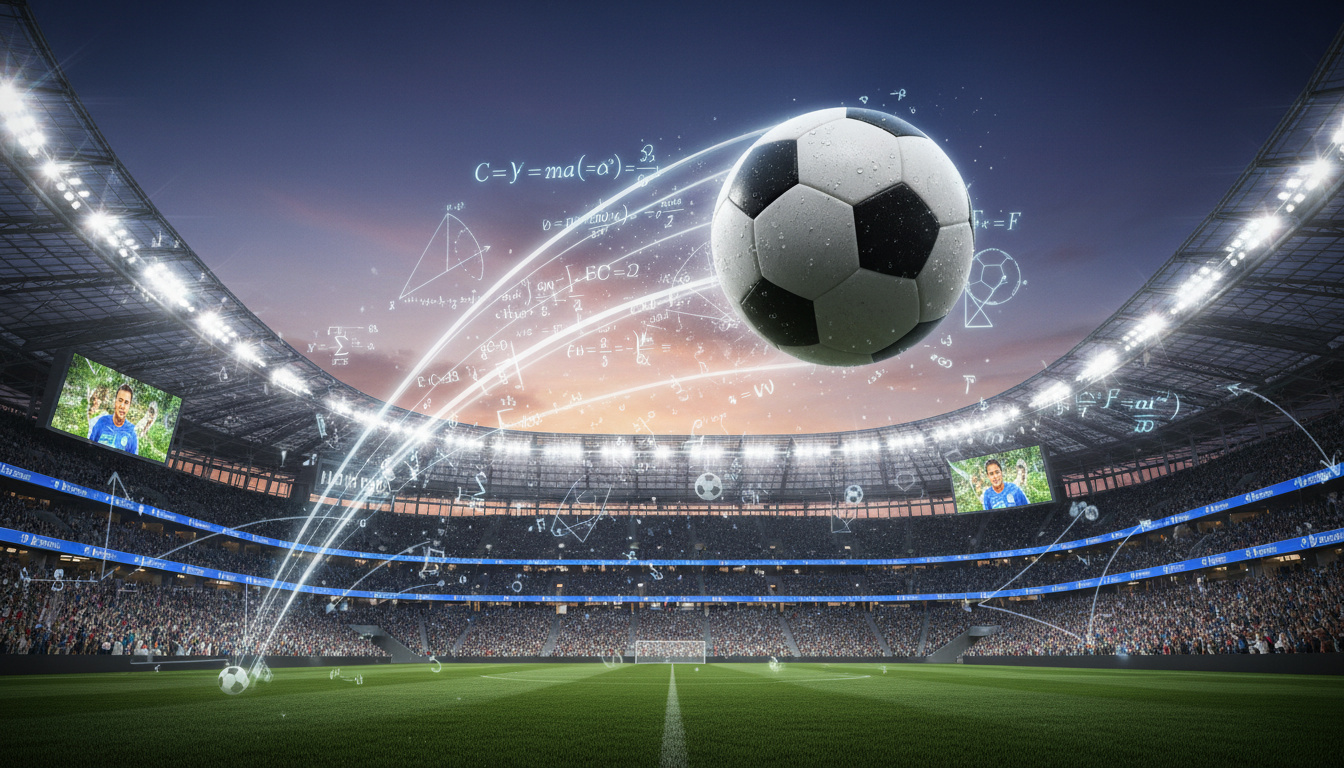
The unique spiral of the roberto carlos free kick is a prime example of the Magnus effect. French physicists confirmed that a spinning ball creates a side force due to air pressure differences causing a pronounced curve. Unlike typical free kicks, Carlos’s shot started wide and curved late, thanks to a high spin rate and gradual velocity decay (Chalkdust).
For further analysis, see the detailed study on Science.org.
Free Kick Speed & Distance Breakdown
With an estimated speed of 100–137 km/h and a distance of 33–35 meters, the free kick combined optimal power and spin, placing it among football’s most legendary free kicks.
Iconic Media & Fan Reaction


Fans and experts, including Alan Parry who remarked, “He was as much of a spectator as I was!” (JobsInFootball), continue to praise this feat as a football miracle.
Context and Legacy
Delivered during Brazil’s clash with France, the roberto carlos free kick vs france reshaped views on long-range free kicks. It is frequently cited in coaching courses and sports physics lectures (ESPN) and is celebrated alongside other iconic moments in Brazilian football history.
- Roberto Carlos vs France (1997)
- Zico vs Scotland (1982)
- Ronaldinho vs England (2002)
- Marcelinho Carioca vs Palmeiras (1999)
- Juninho Pernambucano (multiple)
- Cristiano Ronaldo vs Portsmouth (2008, as an honorary mention)
- Pelé vs Belgium (1965)
- Éder Aleixo vs Soviet Union (1982)
- Neymar vs Colombia (2014)
- Rivaldo vs Real Madrid (1997)
What’s Next?
- Ongoing debate among sports scientists about maximizing spin and power for free kicks.
- Planned publishing of updated 3D models of the trajectory.
- Potential interviews with Roberto Carlos on anniversary years about training routines.
- Continued inclusion in global “top 10 free kicks” rankings.
- Possible feature in upcoming documentaries on football physics.
Final Summary & FAQ
The roberto carlos free kick in 1997 remains a masterclass in biomechanics and technique, celebrated for its deliberate execution and enduring influence on the art of the free kick.
FAQ
- Q: What speed did Roberto Carlos’ free kick reportedly reach?
A: Studies estimate the ball traveled between 100–137 km/h (62–85 mph), most reliably around 120–130 km/h (JobsInFootball; Science.org). - Q: What physics explains the free kick’s curve?
A: The Magnus effect—when a spinning ball creates a lateral force causing a pronounced, curved flight; confirmed by peer-reviewed research (Phys.org). - Q: What distance was Roberto Carlos’s free kick struck from?
A: Approximately 33–35 meters (36 yards) out from goal (Chalkdust; Phys.org). - Q: Where can I view a GIF or picture of this free kick?
A: See the “Iconic Media & Fan Reaction” section or Roberto Carlos’s official social media for GIFs and high-res images. - Q: Is Roberto Carlos’s free kick considered one of the best in football history?
A: Yes, it’s consistently listed among the “top 10 free kicks” and regarded as a benchmark for technical execution (ESPN, BBC). - Q: Did Roberto Carlos often score from similar distances?
A: While famous for powerful, curving free kicks, the 1997 strike remains unmatched for its dramatic trajectory (ESPN). - Q: Can this type of shot be repeated?
A: Physicists say it is possible under identical conditions but remains extremely rare (Science.org). - Q: Where can I compare this with other legendary free kicks?
A: Our resource on When Did Ronaldinho Retire: Facts and Timeline profiles similar historic set-pieces.